Week 6: BioTech + Art
May 12, 2024
In both the cases of my personal experience with medical technology and my academic pursuit in architecture at UCLA, the arts and the sciences of bioengineering intersect. This week's study materials, combined with deep research on the projects of various artists in Defining Life: Artists Challenge Conventional Classifications by Ellen K. Levy really helped in understand this interdisciplinary domain a lot more.
As a veteran and a parent of two, I am somewhat experienced in medical technologies that have real relevance to me. Medical imaging technologies, especially MRI and ultrasound, have formed an integral part of my family's health and wellness regime, offering views into our bodies. This personal encounter with medical technology provides a unique lens through which I viewed the artists' projects discussed this week.
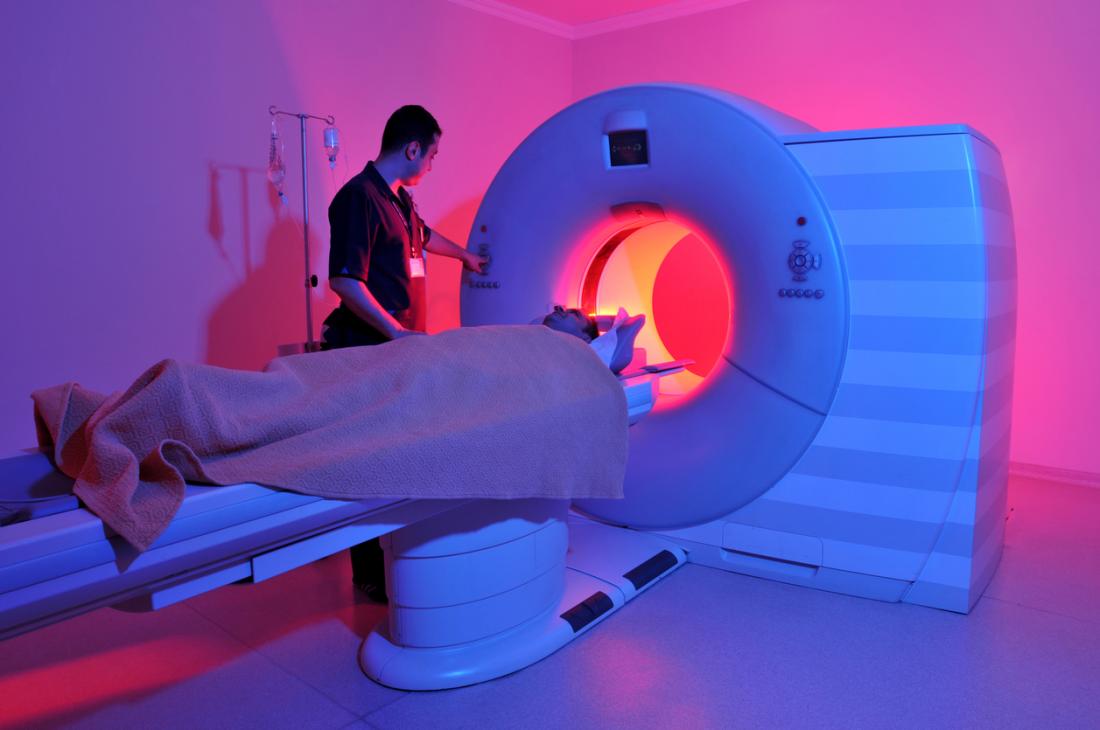
Figure 1. MRI SCAN
One project that really resonated with me was the work of Eduardo Kac, called "Glowing Fish" (Hayles, N. Katherine. "Narratives of Artificial Life," Leonardo Electronic Almanac, 31:5, 1998). Although Kac's project was a quite different one, involving genetically modified zebrafish made to be bioluminescent, the parallel between the utilization of the identical gene alteration and the medical therapeutics about which I was learning became more evident, with these technologies envisioned at the time to be future therapies for genetic disease.

Figure 2. Fluorescent Fish
Further, the discussion of Stelarc's "Extra Ear" project, where an ear is surgically implanted on the artist's arm, pushes the frontiers of our traditional views about the body, identity, and the potential of medical prosthetics. His project is provocative and is an ignition to what can be done with implants and prostheses in the future, just as the advanced prosthetic limbs I saw in military care proved to be. Reflecting on this work of art, the way it provokes critical discussions regarding ethics and the future of genetic engineering and prosthetics puts two fields directly related to medical technology at stake. The debate on these issues is important in that it prepares society to be able to navigate the very complex landscapes of morals with the advent of new technology.

Figure 3. Growing third ear on Stelarc's arm
Every project detailed enhances not just our knowledge of the potential of technology in medicine but also challenges us to think critically about the long-term implications of these intersections on human biology and technological innovation.
Sources:
Hayles, N. Katherine. "Narratives of Artificial Life." Leonardo Electronic Almanac 31.5 (1998): 371-376.
Levy, Ellen K. "Defining Life: Artists Challenge Conventional Classifications." In Art in the Biotech Era, edited by Melentie Pandilovski, 6-7. Adelaide: Experimental Art Foundation, 2003
Rinaldo, Kenneth. "Technology Recapitulates Phylogeny: Artificial Life Art." Leonardo 31.5 (1998): 371-376
Woese, Carl et al. "Archaebacteriam." Journal of Molecular Evolution 11.3 (1978): 245-251.
Marks, Paul. "Living camera uses bacteria to capture image." New Scientist. 18.32 (2005): 23.
Comments
Post a Comment